
Petrobras and Transpetro are contracting five gas carrier ships, in addition to 18 barges and 18 pushboats, for a total investment of approximately $520M.
All vessels will be operated by Transpetro and built in shipyards in three states. In Rio Grande do Sul, the Rio Grande Shipyard will be responsible for building the gas carriers. In Amazonas, the Bertolini Construcao Naval da Amazonia shipyard will build the 18 barges. In Santa Catarina, the Industria Naval Catarinense shipyard will build the 18 pushboats.
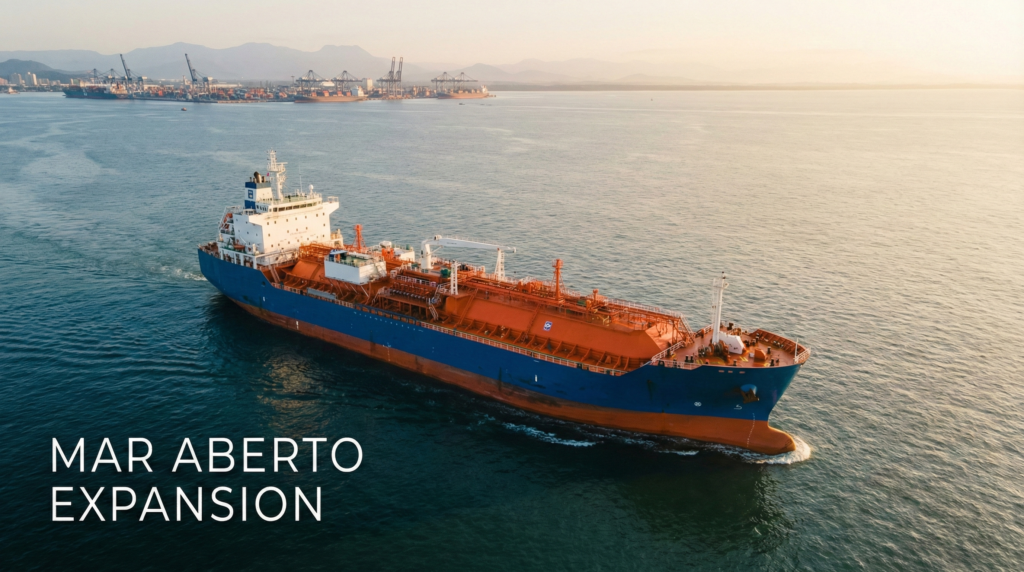
Gas carriers
The gas carriers were contracted through an open, international bidding process, in two lots totaling eight vessels.
The Rio Grande Shipyard has been contracted to build five pressurized vessels for transporting LPG and its derivatives: three with a capacity of seven thousand cubic meters and two with a capacity of fourteen thousand cubic meters. The total investment in these constructions amounts to approximately $420M.
With this, Transpetro’s fleet of gas carriers will increase from six to fourteen, more than tripling the current capacity for transporting Liquefied Petroleum Gas (LPG) and its derivatives.
The new gas carriers will be up to twenty percent more energy-efficient, will reduce greenhouse gas emissions by thirty percent, and will be able to operate in electrified ports. The launch of the first unit is scheduled within thirty-three months of the start of construction, with new deliveries every six months.
Barges and tugboats
Transpetro’s order for eighteen barges and eighteen pushboats, which represents an investment of approximately $115M , marks Transpetro’s entry into inland navigation.
Open Sea Program
The Mar Aberto program reaffirms the Petrobras System’s commitment to the renewal and expansion of the national fleet and plays a fundamental role in the logistics of operations and in strengthening the Brazilian shipbuilding industry, in line with the objectives of the Just Energy Transition.
With estimated investments of $6B between two thousand twenty-six and two thousand thirty, the initiative includes the construction of twenty coastal vessels, as well as eighteen barges and eighteen pushboats, and the planned chartering of forty new support vessels intended to renew the fleet supporting exploration and production (E&P) activities.