
The Indian Navy, working alongside a multi-ministry task force, is actively evacuating 18 commercial vessels stranded in the Strait of Hormuz.
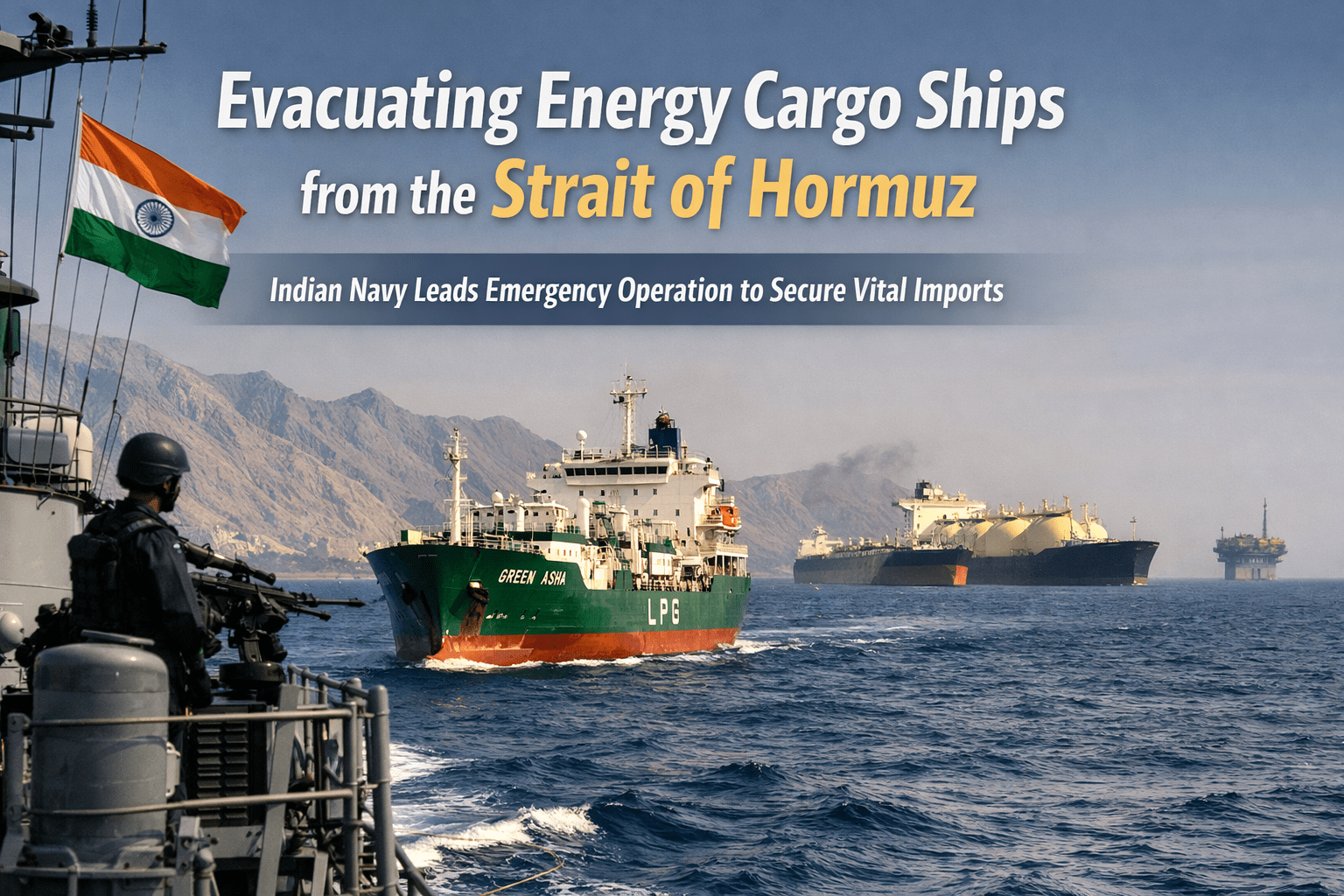
All 18 ships are carrying energy cargo bound for India. The emergency operation aims to restore the country’s energy security and relieve severe bottlenecks at domestic ports caused by the ongoing US and Iran conflict.
The stranded fleet consists entirely of critical energy carriers:
11 crude oil tankers
4 LPG carriers
3 LNG ships
Five of these vessels sail under the Indian flag, while the remaining 13 are leased by Indian operating companies. the LPG carrier Green Asha has successfully crossed the Strait of Hormuz and is currently en route to the Jawaharlal Nehru Port Trust (JNPT) in Mumbai. To expedite the recovery, Indian port authorities have been instructed to grant priority berthing to these returning vessels.
Beyond the primary 18 ships, tracking data indicates there are currently 15 Indian-linked vessels positioned west of the Strait of Hormuz, three in the Gulf of Oman, three in the Gulf of Aden, and two navigating the Red Sea.
Supply Chain Bottlenecks and Operational Relief
The regional conflict has caused massive disruptions across India’s logistics network. Almost 106,890 TEUs of containerized freight and large volumes of perishable cargo remain stuck at Indian port facilities. The severity of the backlog has forced port managers to halt further outbound shipments to the Persian Gulf until normal trade routes are restored.
To mitigate the financial impact on shipping lines, port managers are requesting government relief on standard docking fees to minimize mounting demurrage and detention charges during the crisis.
Seafarer Safety and IMO Response
The crisis extends beyond delayed cargo, heavily impacting the welfare of maritime crews. The Indian government has successfully evacuated 1,754 seafarers so far and continues dedicated rescue efforts.
Internationally, the International Maritime Organization (IMO) has intervened, urging flag states and coastal nations to utilize the current ceasefire to institutionalize formal evacuation corridors. These designated routes are critical for safely clearing the impacted shipping lanes before further hostilities occur.