
For quite some time, the UK government has been dealing with high-risk goods and related technology being diverted to a sanctioned person or destination. To tackle this problem, the UK govt. has introduced the Sanction (EU Exit) (Miscellaneous Amendment) Regulation 2026, which will come into force on 12th May 2026.
Though SEUC is not a blanket licensing requirement, if formally informed by the Office of Trade Sanction Implementation or HM Revenue and Customs to an exporter, there are chances of diversion of goods and related technology from a non-sanctioned third country to a sanctioned destination.
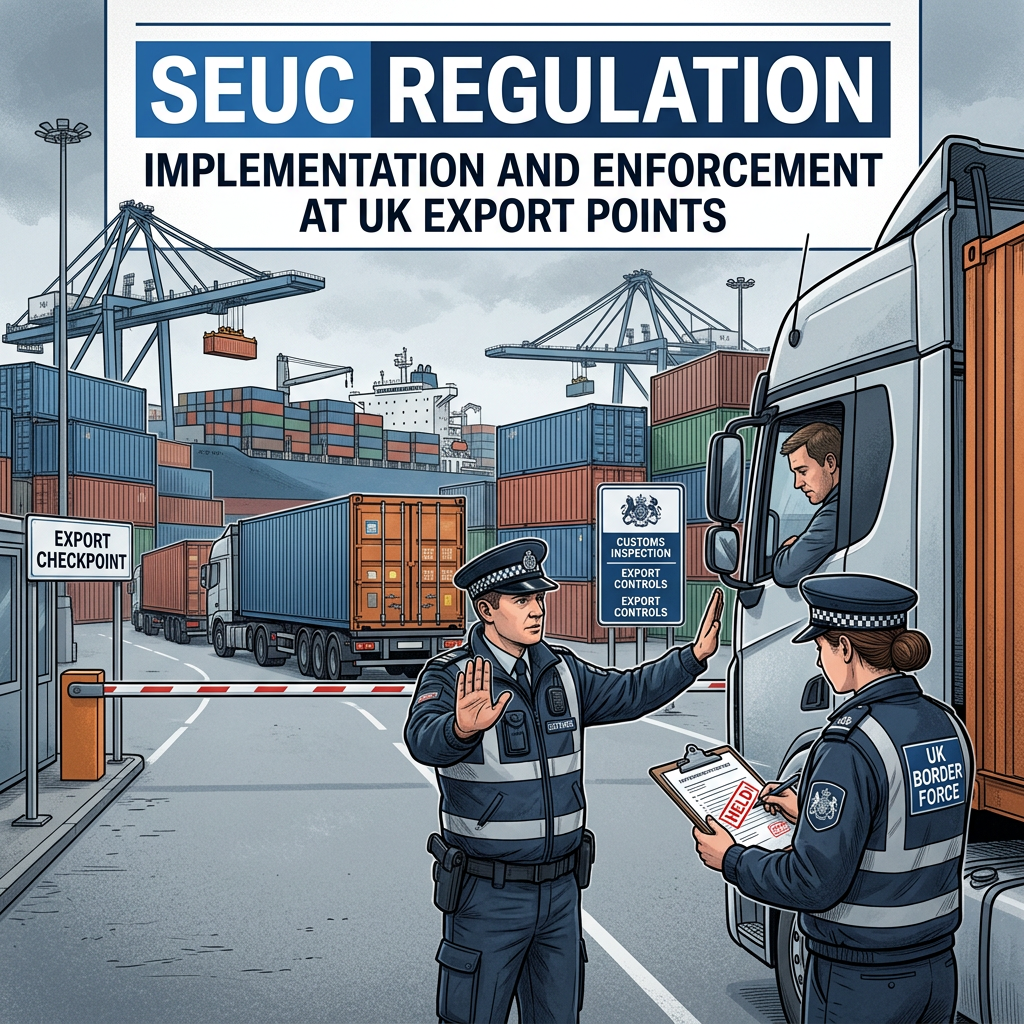
After being informed by authorities, the exporter will receive information about how to apply for a license. If an exporter has been informed and still exports without a license, it will be in breach of US sanctions, and the goods in question may be detained at the border or returned to the exporter pending a licensing decision.
Read More: UK Sells Decommissioned HMS Enterprise to Bangladesh Navy
This is an addition to existing measures by enabling the authority to intervene before goods leave the UK rather than relying solely on post-export enforcement.
SEUC applies across all trade sanction regimes where the restrictions extend beyond arms embargoes, meaning that measures currently applied to goods and related technologies sanctioned under the following sanctions regimes:
- Republic of Belarus
- Democratic People’s Republic of Korea
- Iran
- Myanmar
- Russia
- Non-government-controlled territories of Ukraine
- Somalia
- Syria
- Venezuela
- Zimbabwe